Level Designer Specialization
Advanced online game design course focusing on level design led by industry experts
Take your skills as a game designer to the next level with our advanced specialization course in level design. Gain speed and confidence in a game engine to create immersive game levels that you can add to your portfolio.
Why study game design with us:
- We are an Unreal Academic Partner and Authorized Training Center
- Receive mentorship from game design professionals
- Learn to use industry-standard tools and techniques
With guidance from experts, you'll build on your foundational game design skills to build engaging and appealing game levels that balance aesthetics, gameplay, and functionality.
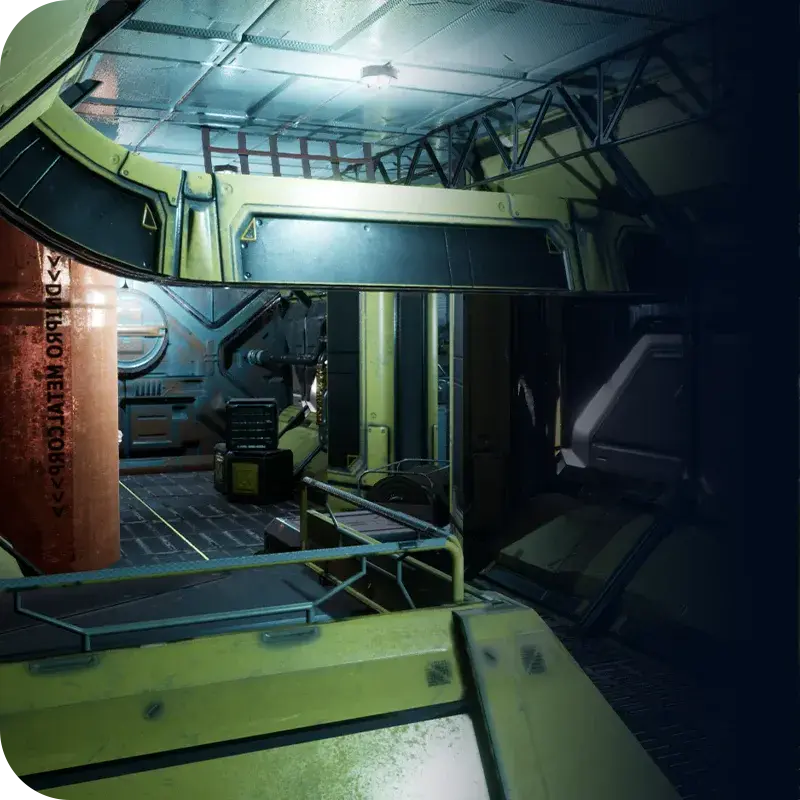
Master Your Skills. Master Your Future.
Whether straight out of high school, changing careers, or upgrading skills, our career-focused game design courses help you build practical job skills that are required in the industry.
 Industry Mentors
Learn from the best! Our instructors are seasoned industry pros and bring real-world knowledge to the classroom, ensuring you're equipped with the skills that studios demand.
Industry Mentors
Learn from the best! Our instructors are seasoned industry pros and bring real-world knowledge to the classroom, ensuring you're equipped with the skills that studios demand.
 Outcomes
Our goal is to make you job-ready. You'll graduate with technical skills and a deep understanding of the industry, making you a valuable asset to any studio.
Outcomes
Our goal is to make you job-ready. You'll graduate with technical skills and a deep understanding of the industry, making you a valuable asset to any studio.
 Community
Join an active community and network with peers, mentors, and industry professionals. Our strong industry connections can help you access job opportunities post-graduation.
Community
Join an active community and network with peers, mentors, and industry professionals. Our strong industry connections can help you access job opportunities post-graduation.
Group Class

Learn in a small group led by a working professional, with everyone's work reviewed every week the way a studio team operates. You grow alongside people chasing the same goals, sharpening your eye on their work as well as your own, and keep the momentum that comes from not working alone.
WHO IS THIS FOR
- Students who learn better in collaborative, social environments
- Career changers who want structure and accountability while they transition
- Recent school leavers looking for an alternative to a traditional university degree
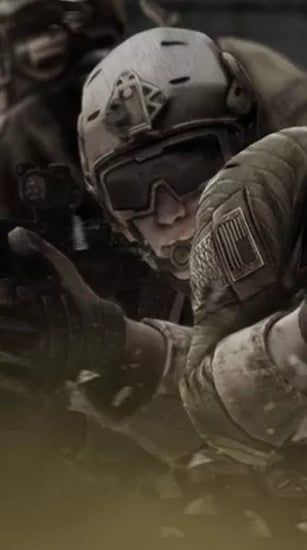

Casey Bradley
Casey is a multi-disciplined designer—he creates levels, designs gameplay systems, and leads design teams. He’s operated in the industry for over a decade and currently works at Traega Entertainment.
Known for America's Army franchise
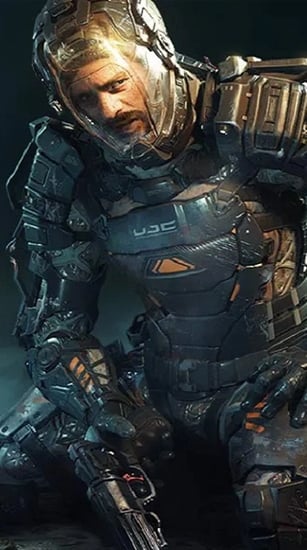

Chris Kefalas
Chris Kefalas has spent 21 years designing games at studios including Striking Distance, Sumo Digital, Ubisoft, Sucker Punch, Codemasters, Rare, and Radiant Worlds. His credits include The Callisto Protocol, Watch Dogs: Legion, Far Cry 6, Hitman Season 2, Crackdown 3, Kinect Sports, and Operation Flashpoint. He mentors CGSI Game Design students through the design fundamentals that survive long production cycles and platform shifts.
Known for The Callisto Protocol


Eric Jensen
Eric is a Design Manager at PlayStation's Bend Studio. He is excited to share his journey and knowledge he has gained with others.
Known for Days Gone


Glenn Storm
Glenn Storm brings 26 years across game design and feature animation, with credits including Star Wars: The Clone Wars, Sonic the Hedgehog, The Iron Giant, and Sinbad through stints at Realtime Associates, DreamWorks Animation, Warner Bros Animation, USC's Institute for Creative Technologies, and the New York Film Academy. The Iron Giant alone earned an Annie Award and an LA Film Critics nod for Best Animated Feature. He mentors CGSI Game Design students with the rare cross-medium perspective that comes from shipping in both.
Known for Star Wars: The Clone Wars


Jason Barlow
Jason Barlow is Course Director for CGSI Game Design, drawing on 16 years across game design education and production. He shapes the program around the design thinking, prototyping, and shipping discipline that studios actually hire for.
Known for Unreal Authorized Instructor

Mathieu Bissonnette
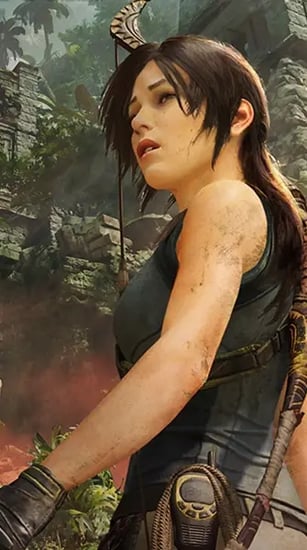
Mathieu Bissonnette has spent 20 years designing games at Ubisoft, Eidos, Ninja Theory, and Cirque du Soleil, with credits including Senua's Saga: Hellblade II, Shadow of the Tomb Raider, Stories: The Path of Destinies, and Season: A Letter to the Future. He mentors CGSI Game Design students through the rare combination of cinematic storytelling and live-experience design his career has shaped.
Known for Shadow of the Tomb Raider


Michael Cameron
While at award-winning game studio Blazing Griffin, Michael released titles like Murderous Pursuits, The Ship: Remasted, Distant Star: Revenant Fleet and Dino Tribes.
Known for Distant Star: Revenant Fleet

Pascal Luban
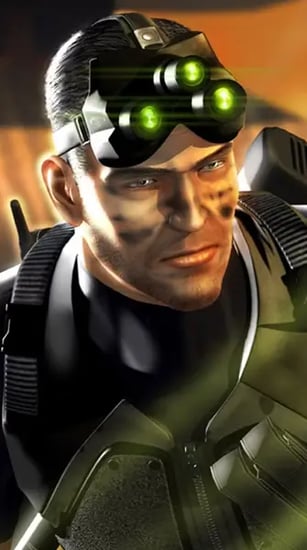
Known for Splinter Cell: Pandora Tomorrow


Philippe Baude
Philippe is a Lead Game Designer at Ubisoft. He specializes in 3Cs, Rational Systems Design, Meta-game/Economy Design, and Designer Mentorship. He’s worked on Far Cry, Watch Dogs, and Hyperscape.
Known for Watch Dogs


Ryan Laley
Ryan Laley is a notable figure in the game development community, known for his expertise in using Unreal Engine, a popular game development platform. He has gained recognition for his comprehensive tutorials and educational content, which he shares on various platforms such as YouTube and Twitch. Through his detailed and accessible tutorials, he has helped many aspiring game developers learn the intricacies of Unreal Engine, covering topics from basic concepts to advanced techniques. His approach is characterized by his clear and concise explanations, making complex topics more understandable for beginners and experienced developers alike. His contributions to the community extend beyond tutorials; he often engages with his audience through live streams, Q&A sessions, and community forums, providing personalized guidance and support. In addition to his educational content, he is actively involved in the game development industry, working on his own projects and collaborating with others. His hands-on experience and continuous engagement with the latest developments in Unreal Engine technology keep his content relevant and up-to-date. Overall, Ryan Laley is a respected and influential educator in the game development field, dedicated to empowering others through knowledge sharing and community engagement.
Known for Mimic


Tim Huntsman
Tim is in his fourth decade of designing and producing video games. He has a number of top-selling and award-winning titles to his name.
Known for Disney Infinity

Tom Oliver
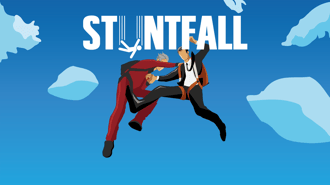
Tom Oliver is Course Director for CGSI Game Design, with 13 years across game development and credits including Stuntfall. He shapes the program around the prototyping, iteration, and shipping discipline that turns design ideas into playable products.
Known for Stuntfall


Troy Dunniway
Troy is an award-winning game designer and executive with over 25 yrs of game development experience at major companies like Microsoft, Ubisoft, Insomniac, EA, Disney, and Samsung.
Known for Resistance: Fall of Man
Get The Education You Deserve

"Having someone that is part of the industry personalizing your training, and providing honest feedback backed up by years of experience is something very valuable you won't get in other Game Programming Courses.
My mentor assisted me in realizing a game prototype I had in mind for quite a long time, and that was amazing. I highly recommend anyone interested in the course to spend that extra money and go for the 1-to-1 formula, because that's where you'll see the biggest difference with other online resources."

Luca Piedrelli | Game Development
"CG Spectrum has exceeded my expectations in terms of quality of learning, support, and continued guidance from mentors and peers.
Also, the community at CG Spectrum is amazing! People are passionate about what they study and do. It's a great study and work environment."

Alexios V | Game Development
"Having a mentor definitely helped! It was awesome to have someone I could reach out to when I was stuck.
Getting the weekly feedback also helped in terms of what to improve and what to focus on next. In Term 3, we learned Unreal Engine; I implemented the knowledge I gained in that course to my Advanced 3D Modeling Course to create some additional renders that demonstrated my understanding of using and integrating game-ready assets into an actual game engine.

Benjamin O | Game Art & Animation
"My experience at CG Spectrum was second to none, and taught me so much more than I initially anticipated.
My mentor took me from being barely computer literate to an animator working at a studio in only a year and a half. The information and level of teaching at CG Spectrum will absolutely not be found anywhere else."

Kieran L | Game Art & Animation
"CG Spectrum prepares you to work as a professional game designer from day one.
The most impressive quality CG Spectrum offers is a course that makes study as if you were on your first job. If you are willing to put the energy into studying and do the assignments as if you were on the job, and if you are ready to hear your mentor's suggestions and challenge yourself to push your limits, you will get an experience very similar to the workplace. "

Loris C | Game Development
"I chose CG Spectrum because I wanted to take my learning to the next level & ensure I was working on the most efficient way to get into the industry.
Chris Swain was the guiding force that kept me headed in the right direction with his sage advice. He was also a calming presence that kept me relaxed during what was often an overwhelming experience.
Thank you Chris for being a friend, a motivator, and a teammate during my time at CG Spectrum and beyond."
 Luke Williford | Game Development

"CG Spectrum is the perfect place to gain focus, understanding, an encouragement for your journey.
If you are looking for a supportive place to gain or hone skills in game design or other verticals, CGS is a fantastic and worthy place to dive in."

Shaul H | Game Design
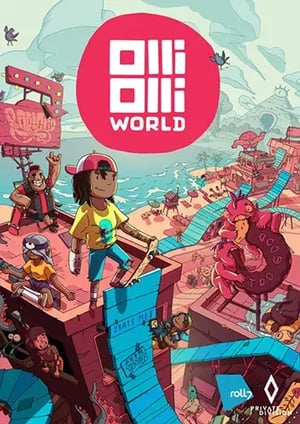
"I highly recommend signing up with CG Spectrum!
I was looking for a final push to bump my skills and finally start applying for jobs as an artist. Shortly after finishing my Advanced 3D Modeling Course I landed my first job as Junior Environment Artist, which was my dream!"

Kasia P | 3D Modeling
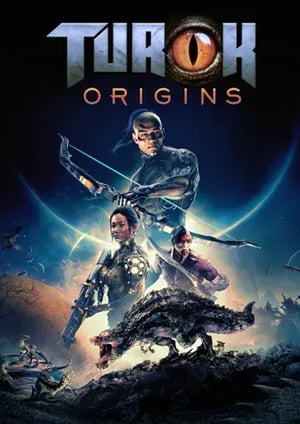
"A cornerstone for your career.
I can honestly say that even by having experience in the field, I've gained a mind-blowing volume of understanding, even when considering the most basic of aspects behind Game Design and Development! Concepts I thought I knew now look so different in a new light. Lessons are challenging, and assignments and classes engaging. A must for any professional looking to up their game a notch or 73."

Fritz M | Game Development
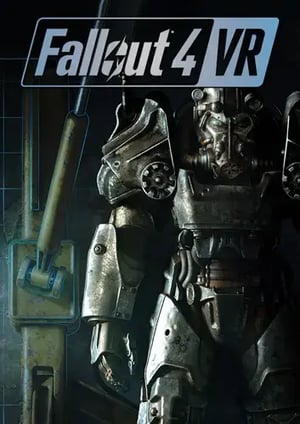
"CG Spectrum's training got me hired in the industry.
CG Spectrum helped me build the skills and connections that directly resulted in getting hired as a Gameplay Programmer at New World Interactive."

Jeff G | Game Development
Join Our Alumni at World Class Studios
Our mission is to train highly skilled graduates ensuring they are prepared for a successful career. Take the first step towards joining our alumni at world-class studios creating work that inspires.












Looking For Something Else?
Check out our full range of courses with study options for all skill levels, from short introductory courses, specialized industry tracks and accredited degrees and diplomas