



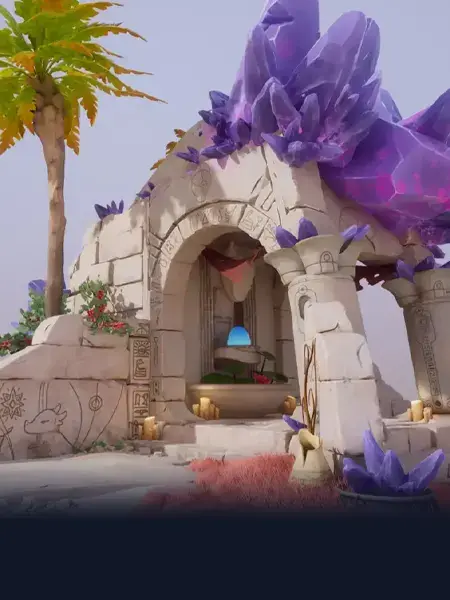
-
Brandon Reimchen
Known for Resident Evil
Works with people on why a piece is not reading, and on portfolios that keep getting passed over.
-
Genevieve Camilleri
Known for Love and Monsters
Compositing and VFX supervision in Nuke: the integration work that decides whether a shot holds up, what a supervisor's notes are really asking for, and a reel a VFX studio will sit through.
-
Scott Claus
Known for Hercules
Character performance, timing, and the shot that almost works but does not yet land.
-
Nicklas Byriel
Known for Founder of Chaos Theory
Client work end to end: look development, sign-off renders, and scoping a job so it stays profitable.
-
Tyler James
Known for Heroes of the Storm
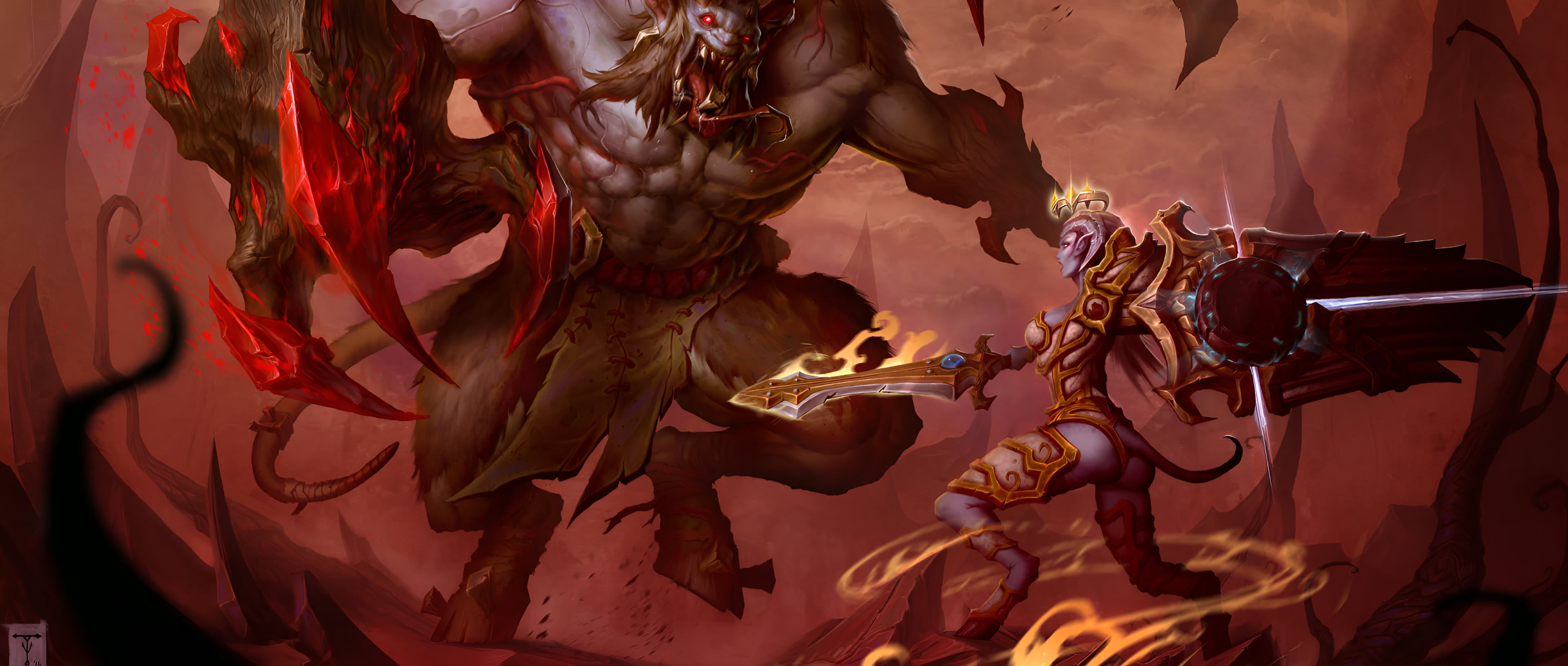
Concept art and illustration for games, and what a hiring art director actually looks for in a folio.
-
Ehsan Ebrahimzadeh
Known for Indiana Jones and the Great Circle
Environments, props and game art, from blockout through to the detail pass, and the topology decisions that cost you later.
-
Stuart Butler
Known for Mastering Technical Art in Unreal Engine
Technical art in Unreal: materials, world building, and the setup that behaves in the editor and falls over in a build.
-
Scot Bayless
Known for Crimson Skies
Game design and production: scoping a build you can finish, cutting the feature that is sinking it, and what a publisher actually reads in a pitch.
-
Simon Warwick
Known for Batman: Arkham Knight
Real-time in Unreal: rigging and technical animation, cinematics, and the performance budget that decides what a scene can actually hold.
-
Tom Oliver
Known for Stuntfall
Game design and development: prototyping an idea fast, then the iteration and shipping discipline that turns it into something that actually plays.
-
Ben Li
Known for Space Dandy
Action and character animation for episodic series: staging a fight so it reads clearly, shot after shot, on the schedule a streaming pipeline actually holds you to.
-
Carlos Rosas
Known for Venom
Character animation across feature and VFX: body mechanics, acting choices, and what changes when the same performance has to read photoreal instead of stylised.
-
Sykosan
Known for Katy Perry's Cry About it Later
2D animation across the whole pipeline: developing a style of your own, then holding it from boards to final frames on music video and brand work, where the schedule is short and the brief keeps moving.





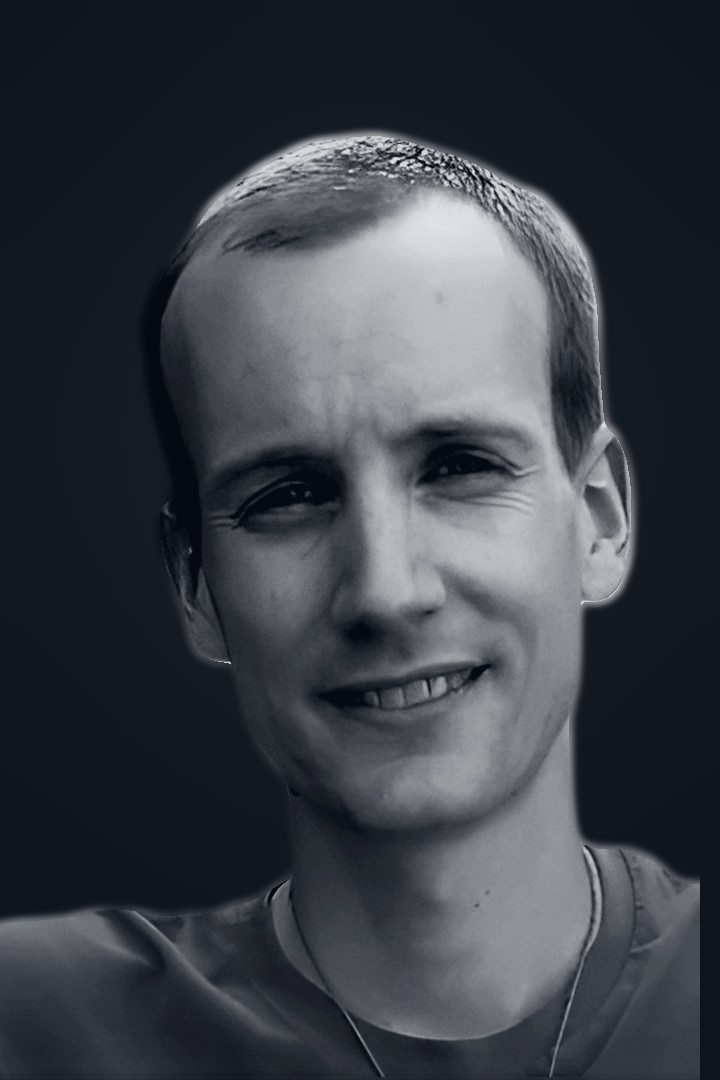


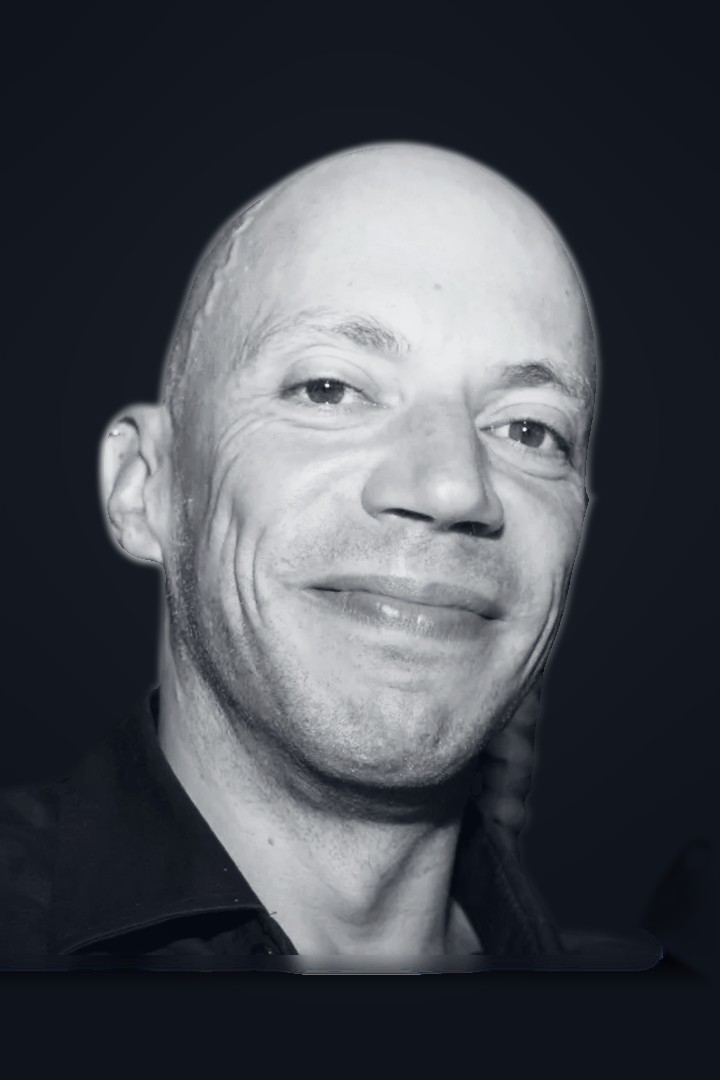

Who you would be working with 13 available
NeonHexagon
The whole thing is the person on the other end of the call. Bring something you are building, or one thing you need to learn.
Free to join and look around. Membership is US$349 a month, or US$999 once for six sessions across 90 days.
What you would work on
Tell us which one you are, and we will tell you what happens next.
Choose one on the left.
Not listed? Ask anyway. The roster is small on purpose and it grows towards what people ask for, so tell us what you are working on and we will say straight whether someone here fits, or whether we can go and find them. Talk to us, or .
What a session does
An hour that moves the work forward, or teaches you what was blocking it.
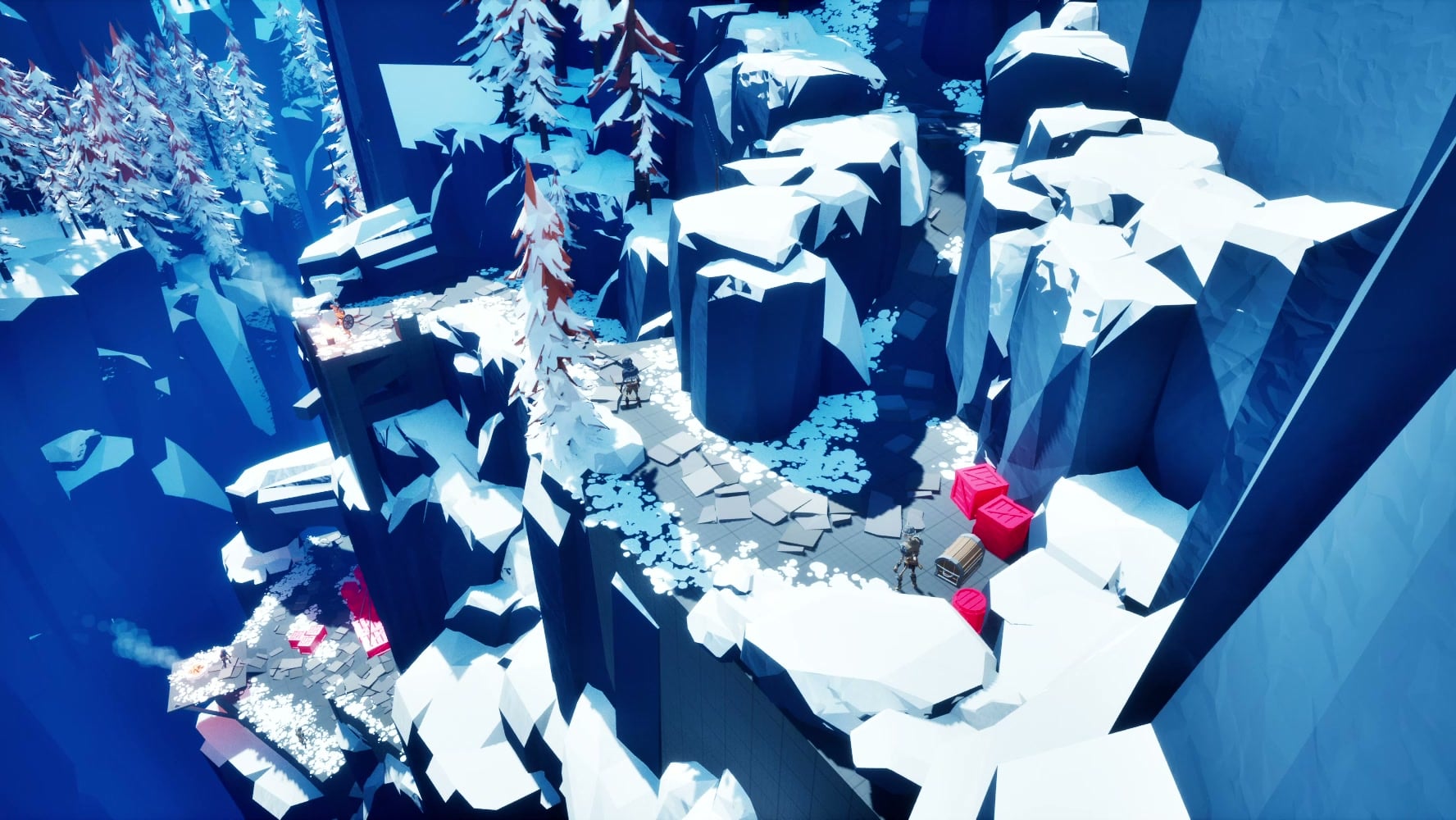
A mentor opens what you brought, finds what is actually holding it up, and agrees what comes back next time. Drag to compare a level blockout with where the same shot got to over a run of sessions.
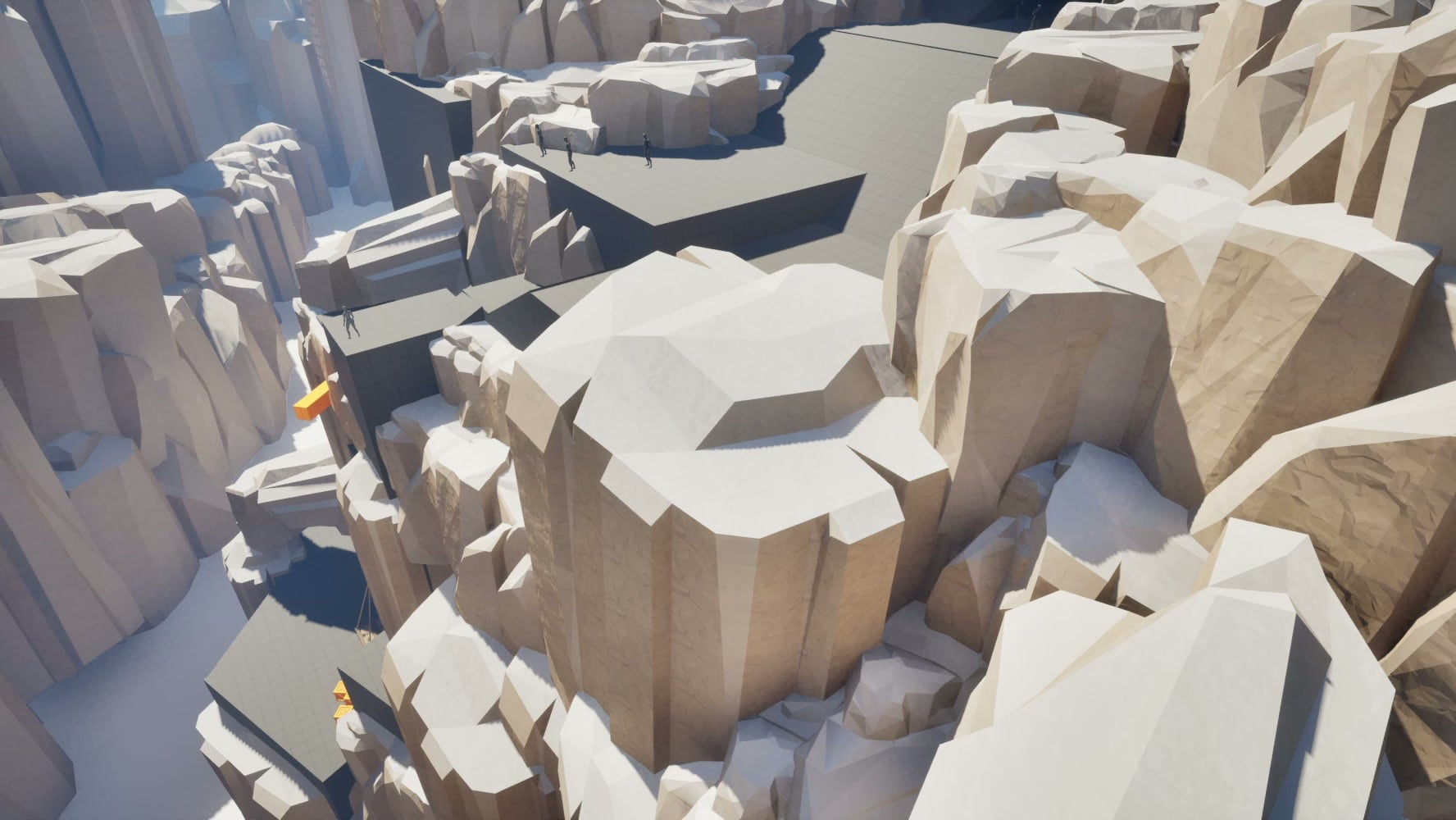
Before · blockout
After · several sessions on
Student work across a project · not one session
What they brought
A blockout that played correctly and read as mush. Every surface sat at the same value, so the route through the space disappeared. They knew it was wrong and could not name why.
What the mentor did
Value structure first. Everything else into shadow, the walkable ground held as the one bright surface, warm color only where the player should go. Twenty minutes on the read, none on materials.
What was agreed
Dress the space to support that read rather than fill it, and bring it back from the same camera. The mentor asks about it next session.
Who you book next
Dressing a space is a different skill to fixing how it reads. The next hour can be with someone who does that instead of the person who solved the last problem, on the same membership.
How it works
Three steps between here and your first session.
-
Step 01
Join the Discord
Free, and it takes a couple of minutes. Set up Discord if you do not already have it, then say what you are working on.
-
Step 02
Pick how you want in
One button inside the community. US$349 a month, or US$999 once for six sessions. Either way your sessions are there the moment it goes through.
-
Step 03
Book straight into a calendar
Say what you are working on in your own words, get matched by discipline, and pick a time. No coordinator in the middle.
What it costs
Two ways in, and a way to add more once you are in.
Membership
US$349 / month
Renews monthly until you cancel.
- Two 1:1 sessions a monthAn hour each, on video. Your agenda, your files.
- Sessions keep for 90 daysA quiet month does not cost you the ones you have already paid for.
- The member channels and the mentor directoryRead who someone is and what they work on before you book them.
- Cancel yourself, any timeOne button, inside the community. Ask within 14 days of your first payment and we refund what you paid, less US$189 for each session you have already used.
Studio Short Course
US$999 one time
One payment. Nothing renews.
- Six 1:1 sessionsThe same mentors and the same hour, six of them rather than two a month.
- Full Studio access for 90 daysMember channels, the directory, and booking straight into a mentor calendar.
- Nothing set up to charge you againA single payment rather than a subscription, so there is nothing to cancel later.
- Sessions and access end at 90 daysBook them in or lose them. For most people the deadline is the useful part.
Despite the name, the Studio Short Course is not an accredited course and leads to no qualification or credit toward one.
Extra sessions
US$189 each
For members who need more than two.
- Buy one whenever a project needs itNo change to your monthly price and no new commitment.
- Usable for 90 days from purchaseThe same expiry as the sessions your membership includes.
- Refunded if you cancel without using themSessions you buy on top are refunded when your membership ends. The two included each month are not: those end with the membership.
Bought together, a session costs less: US$189 on its own, US$174.50 inside the membership, US$166.50 in the short course.
Joining is free. Both paid options are one button inside the community, and neither starts until you press it.
Prices in US dollars, inclusive of applicable taxes and current at publication. The price shown at checkout is the one that applies.
Before you join
What this is not
Not a course or a qualification
There is no curriculum, no cohort and no certificate, and the Studio Short Course is a block of sessions rather than a course in the accredited sense of the word. You set the agenda and a mentor works to it. That suits people who know what they want and frustrates people who would rather be taught in order. If you want a formal qualification, CG Spectrum Institute runs accredited courses and we will point you at the right one.
Not a job guarantee
Nobody here can promise you work, and anyone who does is selling you something. What a mentor can do is tell you honestly where your work sits against the standard, and what would have to change for it to clear that bar. Whether you act on it is the part we cannot do for you.
Not unlimited 1:1
Two scheduled hours a month on the membership, or six hours across 90 days on the short course. You are not alone between them: the room is open, and the people in it are working professionals on staff rather than moderators or a support desk. What you cannot do is book a mentor whenever you want one. If you need daily 1:1 time, this will feel thin.
Neon Hexagon and Studio are operated by CG Spectrum Institute Pty Ltd and are not accredited offerings. Despite the name, the Studio Short Course is not an accredited course. None of them confers any award, qualification, or credit toward one. The accredited courses linked above are delivered by CG Spectrum Institute Pty Ltd, TEQSA Provider Number PRV12023. Full terms
Bring the thing you are stuck on.
Join free, tell us what you are working on, and get to work with someone who has done it before.